Most practices send you to an oral surgeon for the implant, then bring you back months later to make
the crown. Two offices, two fee schedules, and nobody owning the final result. Dr. Okafor does both
parts here, which is why the tooth on top actually fits the plan underneath.
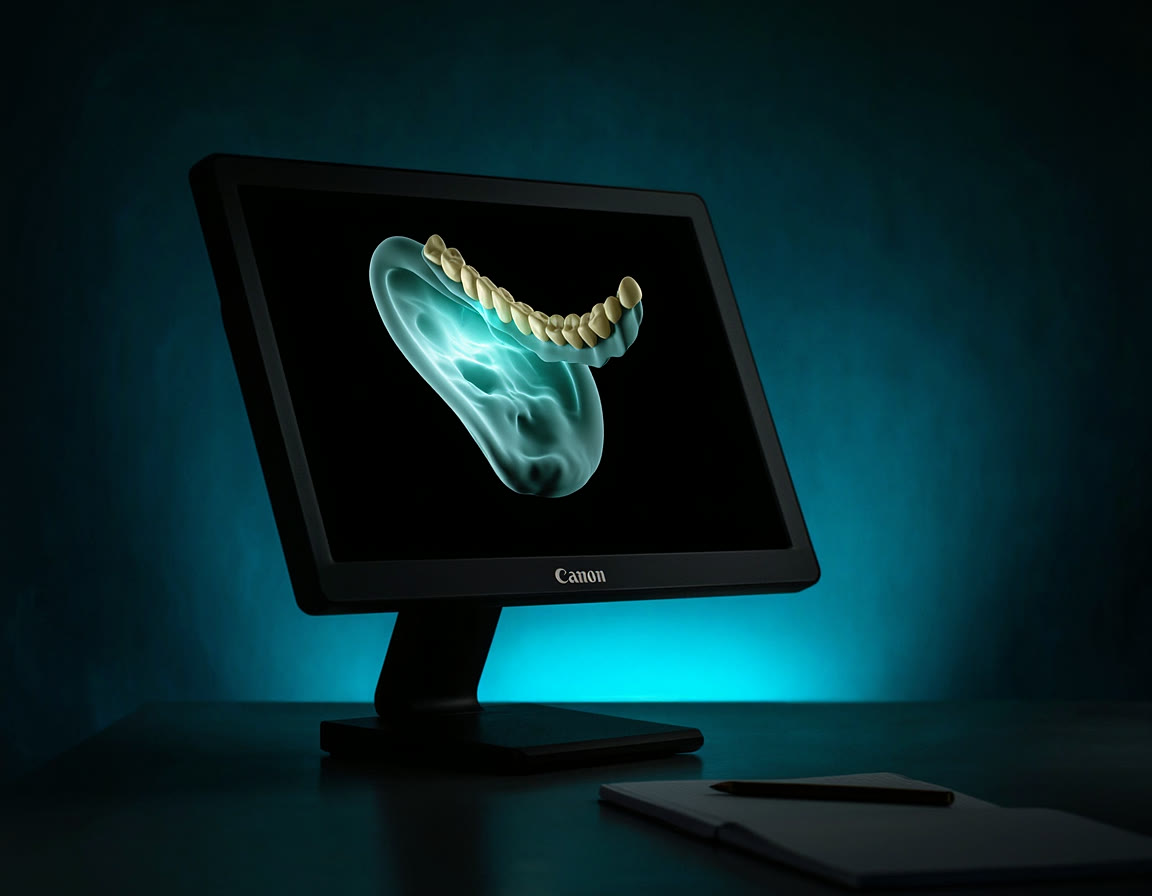
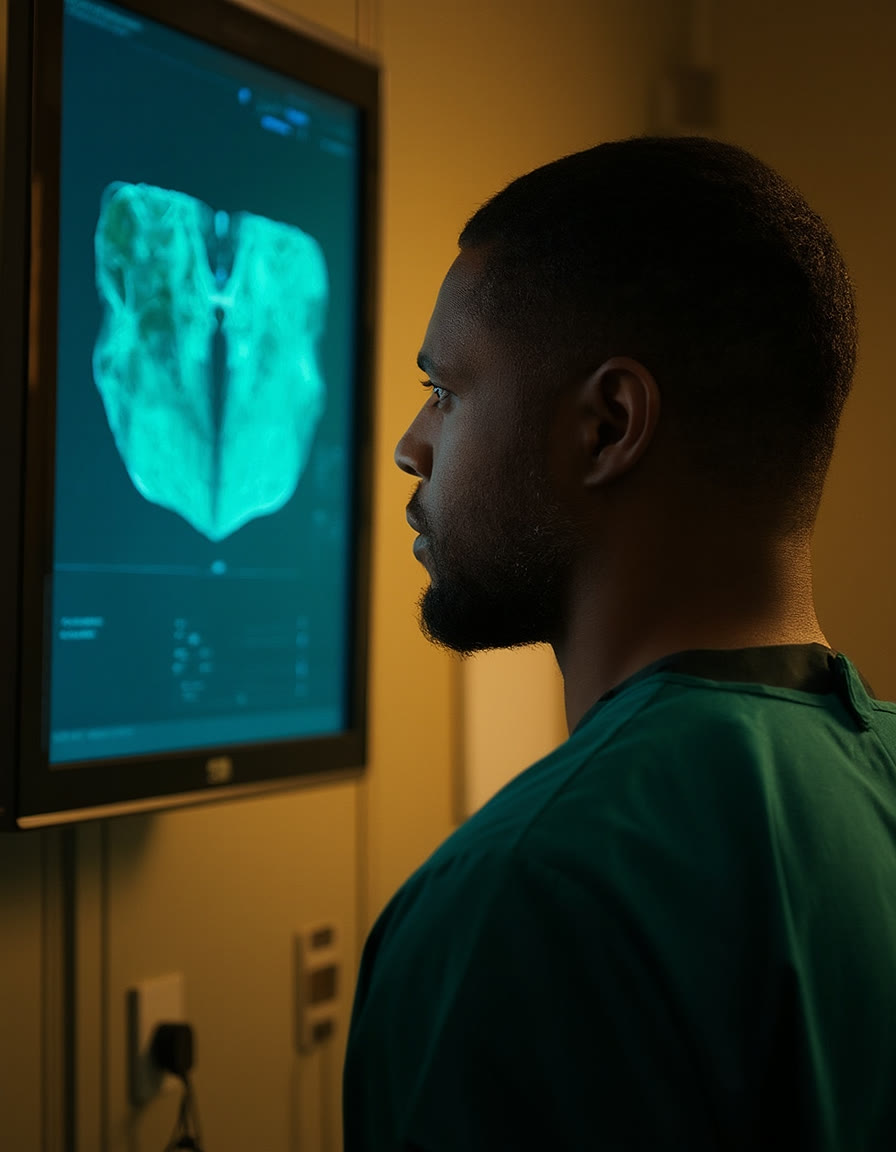
Every case starts with a 3D CBCT scan so we know exactly how much bone is there before anyone
discusses price. Occasionally that scan tells us a bridge is the better option, and we say so.
Single tooth
A titanium post, a custom abutment and a ceramic crown. It does not touch the teeth either side, which is the whole argument against a traditional bridge — a bridge means grinding down two healthy neighbours to save one gap.
TitaniumGuided placement
$4,150 all-in
Implant bridge
Three or four missing teeth in a row restored on two implants rather than one each. Fewer surgical sites, considerably lower cost, same fixed result.
From $9,400
Full arch, fixed
A full set of teeth on four to six implants, fixed in place — not removed at night. Provisional teeth the same day as surgery.
From $24,500 per arch
Implant-retained denture
Two implants to snap an existing lower denture into place. The least expensive route out of a denture that will not stay put.
From $7,800
Bone grafting
Where a tooth has been missing for years the bone has usually shrunk. Grafting rebuilds the site, adding three to six months before placement.
$650–2,400
The timeline
Most of it is waiting.
An implant works because bone grows onto titanium, and bone takes the time it takes. Nobody can
shorten step three, and anyone promising to should worry you.
1Visit one · 60 min
3D scan and plan
A CBCT scan shows bone volume, nerve position and sinus location. We design the placement in software and print a surgical guide, so the drill goes exactly where it was planned.
2Surgery · 60–90 min
Placement
Under local, oral sedation or IV — your choice. Most patients describe it as easier than the extraction that preceded it, and take ibuprofen for two days.
33–6 months
Integration
Bone fuses to the implant. You wear a temporary tooth throughout — nobody leaves this office with a visible gap. One short check at six weeks.
4Two visits
The tooth
Scan, custom abutment, ceramic crown. Shade-matched to the teeth beside it by the same ceramist who does our veneer work.
Why it matters
One surgeon, one restorer, one plan.
When the surgeon and the dentist are different people in different buildings, the implant gets placed
where the bone is most convenient rather than where the tooth needs to be. The crown then has to be
engineered around that compromise — angled, over-contoured, harder to clean, and more likely to fail
around the gum in ten years.
Dr. Okafor plans the final tooth first and works backwards to the implant position. It is a slower
way to plan and a considerably better way to finish.
One fee, quoted once
One set of records and scans
Nobody to blame each other
Five-year warranty on our placements
Plate 18 · 4:4.6 · Dr. Okafor
Questions
The ones that matter.
Less than most people expect. Bone has very few pain receptors, so placement itself is usually easier than an extraction. Expect two or three days of ache manageable with ibuprofen, and some swelling if a graft was involved. If you would rather not remember any of it, IV sedation is available.
Published survival rates run around 95% at ten years, and many last decades. The implant itself rarely fails; the crown on top may need replacing at fifteen or twenty years, like any restoration. Smoking, uncontrolled diabetes and neglected gum disease are the three things that shorten that timeline most.
Age is close to irrelevant — we have placed implants for patients in their late eighties. Bone volume matters, but grafting solves most deficits. The genuine contraindications are active uncontrolled diabetes, current bisphosphonate infusions for cancer, heavy smoking, and untreated gum disease. The CBCT scan answers this in one appointment.
Many PPO plans now contribute to implants, typically 50% up to the annual maximum — which is often $1,500 to $2,000. Since a full case usually spans two calendar years, we can frequently sequence treatment so you use two annual maximums instead of one. We map this out for you in writing before you commit.
Accepting new patients
Ready when you are.
Book online in about ninety seconds, or call and ask for Renee at the front desk — she has been
here nine years and can answer most questions faster than this website can.